Site Preparation
Eastman & Dodge County, GA
Site preparation in Eastman, GA — post-clearing rough grading, surface leveling, and soil management for construction-ready Dodge County properties. Land clearing and site prep handled together, factoring in middle Georgia's red clay drainage challenges from the first pass.
Site Preparation Eastman GA — Accounting for Dodge County's Red Clay
Clearing trees and brush off a property is step one. Site preparation in Eastman, GA is step two — and skipping it is one of the most common mistakes made on Dodge County development projects. A cleared lot in middle Georgia is not automatically build-ready. The exposed red clay soil needs to be shaped, stabilized, and managed before construction equipment rolls on and before the first stake goes in the ground.
Dodge County's red clay compacts well in dry conditions — but it becomes unstable and unpredictable when saturated. Grading work done on wet clay without proper drainage planning creates problems that persist for years: foundation settling, pooling water around structures, and drainage patterns that work against the building rather than away from it.
Our site prep for new construction in Eastman starts with understanding what the land will become — home site, agricultural pad, driveway, storage area — and working backward from that end state to shape the cleared ground correctly. We discuss this fully at the initial site assessment before any grading begins.

How much does site preparation cost in Dodge County?
Site preparation in Eastman, Dodge County, Georgia ranges from $1,500 to $6,000 depending on lot size, grading complexity, and soil conditions. Dodge County's red clay Ultisol has a high shrink-swell ratio that demands proper compaction testing before any slab pour — skipping geotechnical verification is the number one cause of foundation failure on new builds in Middle Georgia.
Site Preparation Dodge County — Steps to a Build-Ready Pad
What happens between a cleared lot and a construction-ready building pad during site prep in Eastman and surrounding Dodge County.
Stump Grubbing
Any remaining stumps are ground below grade or fully grubbed. Subsurface organic material left in Dodge County's clay creates voids as it decays — these void spaces cause settling and drainage problems after construction.
Rough Grading
The cleared surface is shaped to establish proper drainage slope — directing water away from the building footprint rather than toward it. This is especially critical in Dodge County where red clay sheds water rather than absorbing it.
Surface Leveling
The building pad area is leveled to contractor specifications. On sloped Dodge County lots, this may involve cut-and-fill work to establish a level pad without creating drainage problems on the edges.
Erosion Control
Georgia EPD requires erosion and sediment controls on disturbed land — silt fencing, sediment barriers, and surface stabilization. We install these as part of the site prep scope on qualifying properties.

Site Preparation FAQ
What is included in site preparation after land clearing?
In Dodge County, Georgia, site preparation after clearing typically includes stump grinding or grubbing to remove subsurface organic material, rough grading to establish a level pad or proper drainage slope, soil compaction assessment, and installing basic erosion controls before construction begins. The specific scope of site prep in Eastman depends on the intended use — a home construction site needs different preparation than an agricultural pad or driveway installation. A site assessment confirms exactly what is needed for your Dodge County property.
How does Georgia's red clay soil affect site preparation?
Dodge County's red clay compacts well when dry but becomes unstable when saturated — creating significant challenges for site prep. Heavy equipment on wet clay causes deep rutting and compaction that damages drainage patterns and can make the site unusable for months. Timing grading work during drier months significantly improves results. Leaving organic material in the soil is also problematic with clay — decay creates voids that cause settling and foundation problems after construction.
Do I need site preparation before building a home in Dodge County?
Yes — cleared land in Dodge County is not automatically build-ready. Site preparation in Eastman and throughout Dodge County typically includes stump grubbing, rough grading, drainage planning, and erosion control installation before construction begins. A percolation test is also required if a septic system will be installed — Eastman Septic serves Dodge County property owners with this step. Skipping site prep and building on a cleared but unprepped site creates drainage problems, foundation settling, and structural issues that are expensive to fix after construction.
What is the difference between land clearing and site preparation?
Land clearing removes trees, brush, stumps, and surface vegetation from a property. Site preparation Dodge County is what happens after clearing — shaping and stabilizing the bare soil for a specific end use. Clearing gets the obstacles off the land; site prep Eastman GA makes the land ready to build on. On many Dodge County properties both steps are needed in sequence, which is why we discuss the full project scope at the initial site assessment rather than treating them as separate jobs.

Land Clearing
Full property clearing for residential lots and rural tracts — the step that typically comes before site preparation on Dodge County development projects.
Learn More →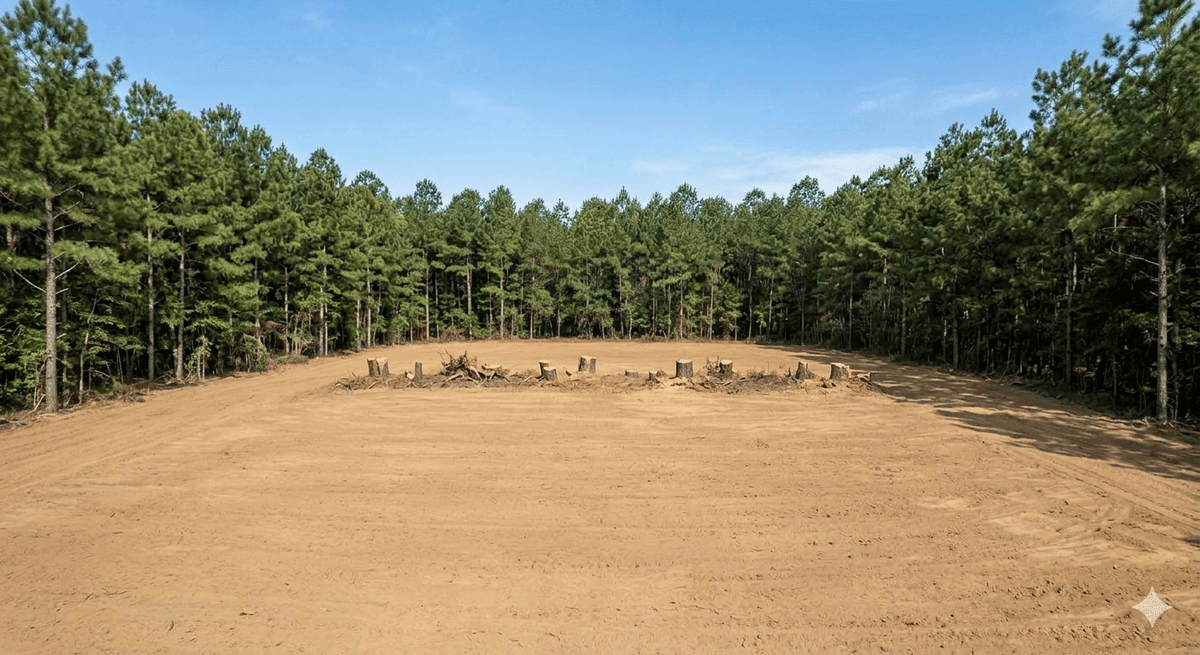
Lot Clearing
Residential lot clearing for new construction — trees, brush, and stumps removed to leave a clean starting point before site prep begins.
Learn More →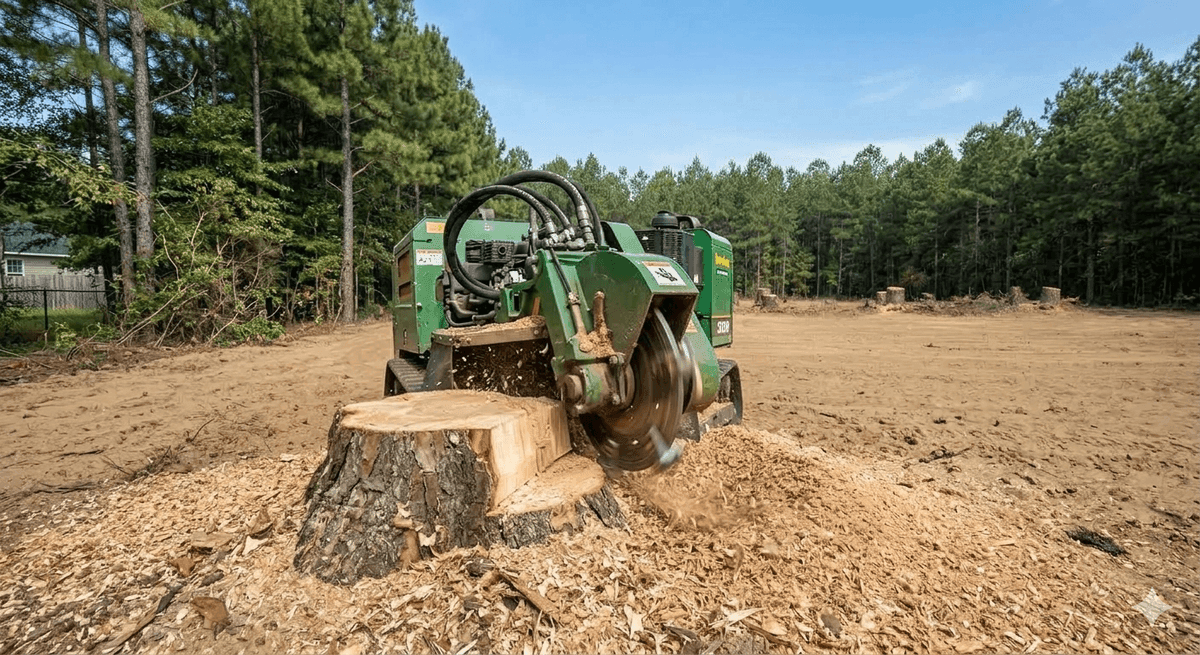
Stump Removal
Stumps ground below grade to remove the subsurface organic material that causes settling and drainage problems under construction pads.
Learn More →Properties being developed in Dodge County often need additional services alongside clearing � Eastman Septic for septic installation, Eastman Well Drilling for private water access, and Eastman Gravel for driveway and road base installation all serve Dodge County property owners.
Ready to Get a Free Quote?
Tell us about your property and we'll schedule a free on-site assessment. No pricing until we've seen the land.
Our free quote form is on the home page. Fill it out and we'll follow up to schedule your free on-site assessment in Dodge County.
Request My Free Quote →